Why Are My Lemon Tree Leaves Turning Yellow?
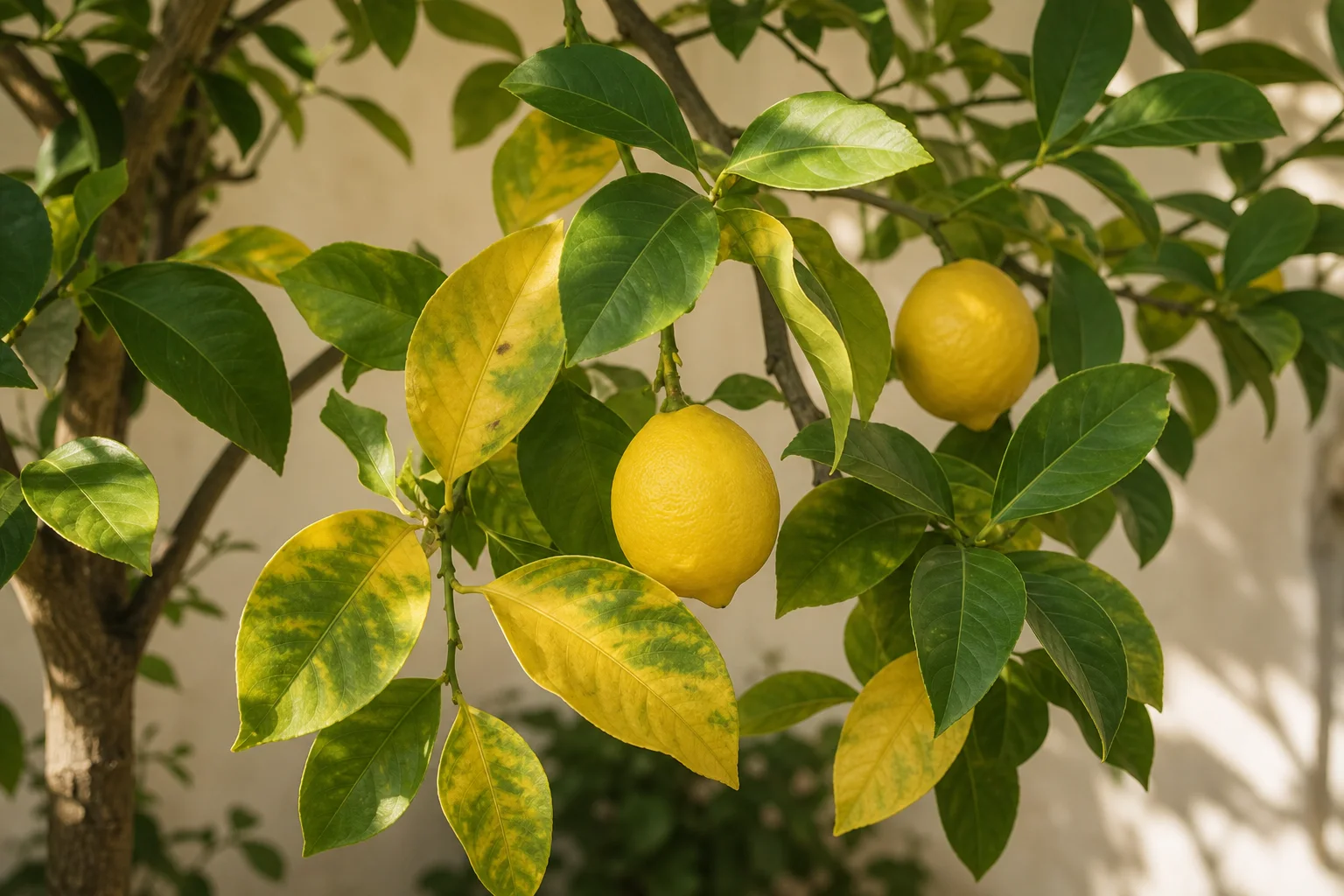
Match the yellowing pattern with soil moisture, leaf age, pests, weather, and fruit symptoms before changing how you water or fertilize your lemon tree.
Clear, useful guidance for diagnosing plant problems, improving daily care, and choosing the right tool inside AI Plant Care Guide.
30 guides shown
Match the yellowing pattern with soil moisture, leaf age, pests, weather, and fruit symptoms before changing how you water or fertilize your lemon tree.
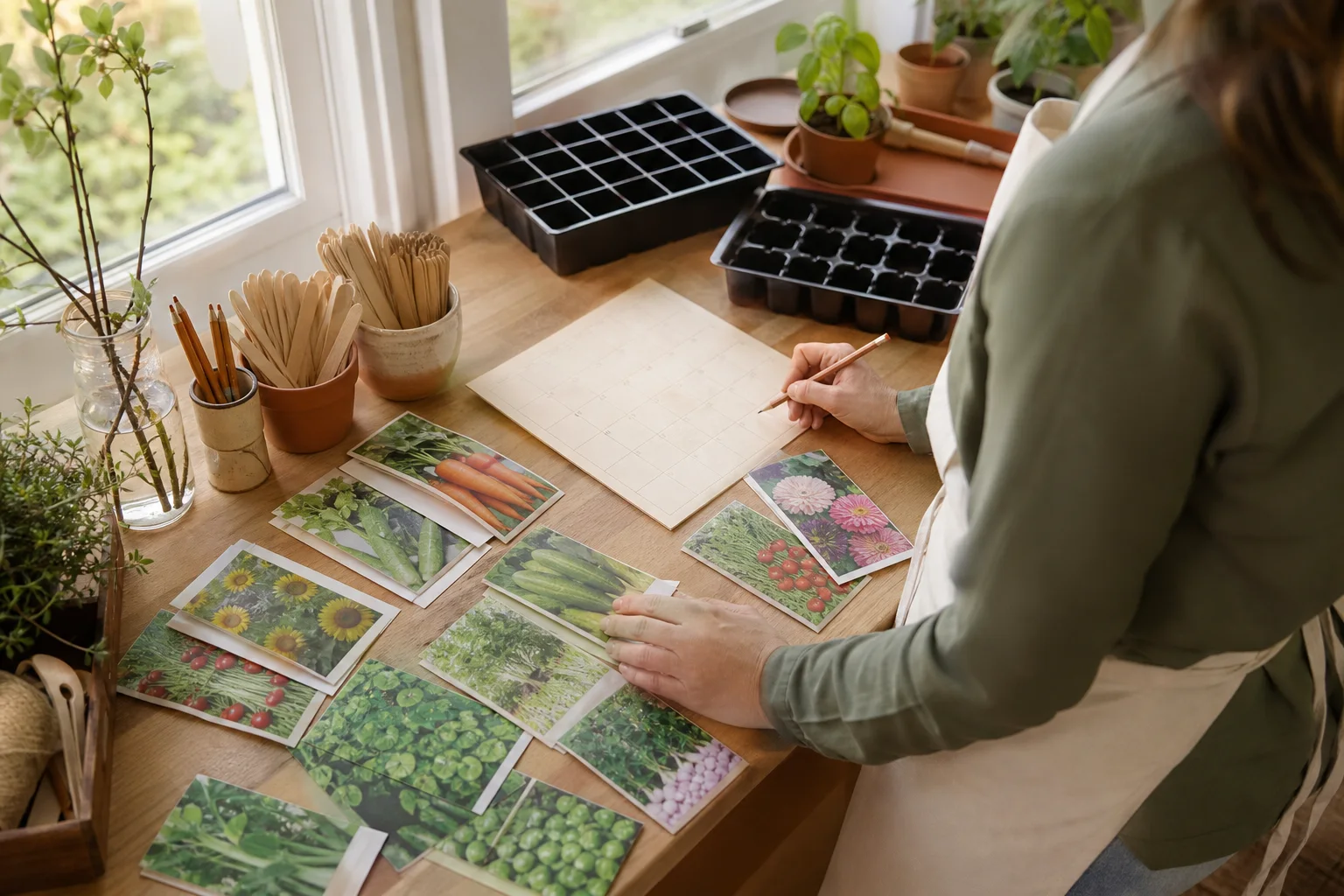
Find the right sowing window by working from your local frost dates, the seed packet, crop tolerance, and current soil conditions.
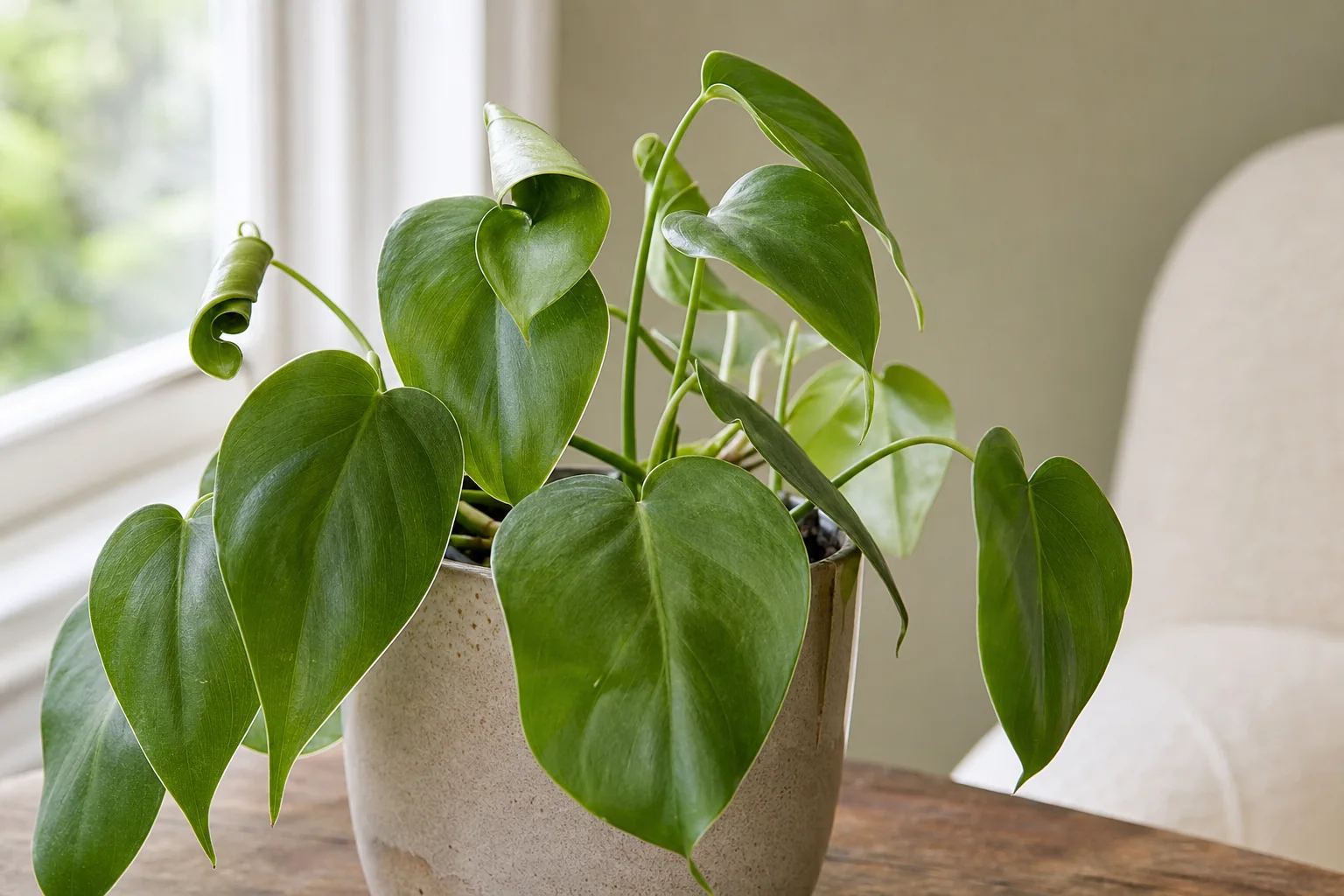
Curling is a stress response, not a diagnosis. Check soil moisture, roots, leaf damage, pests, and recent environmental changes before adjusting your philodendron's care.
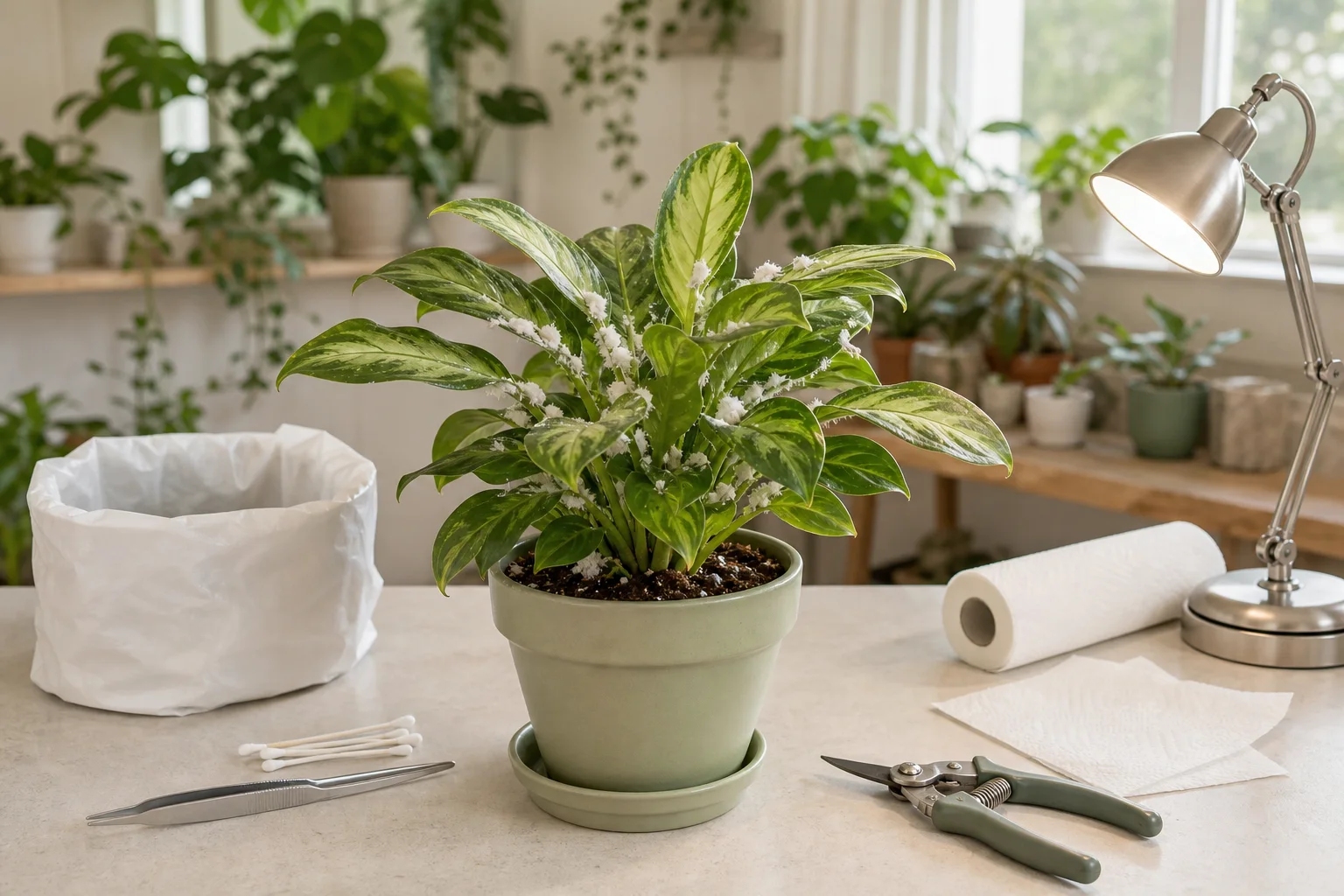
Confirm that the white material is a living pest, isolate the plant, remove visible mealybugs, and use scheduled inspections to catch insects emerging from hidden sites.
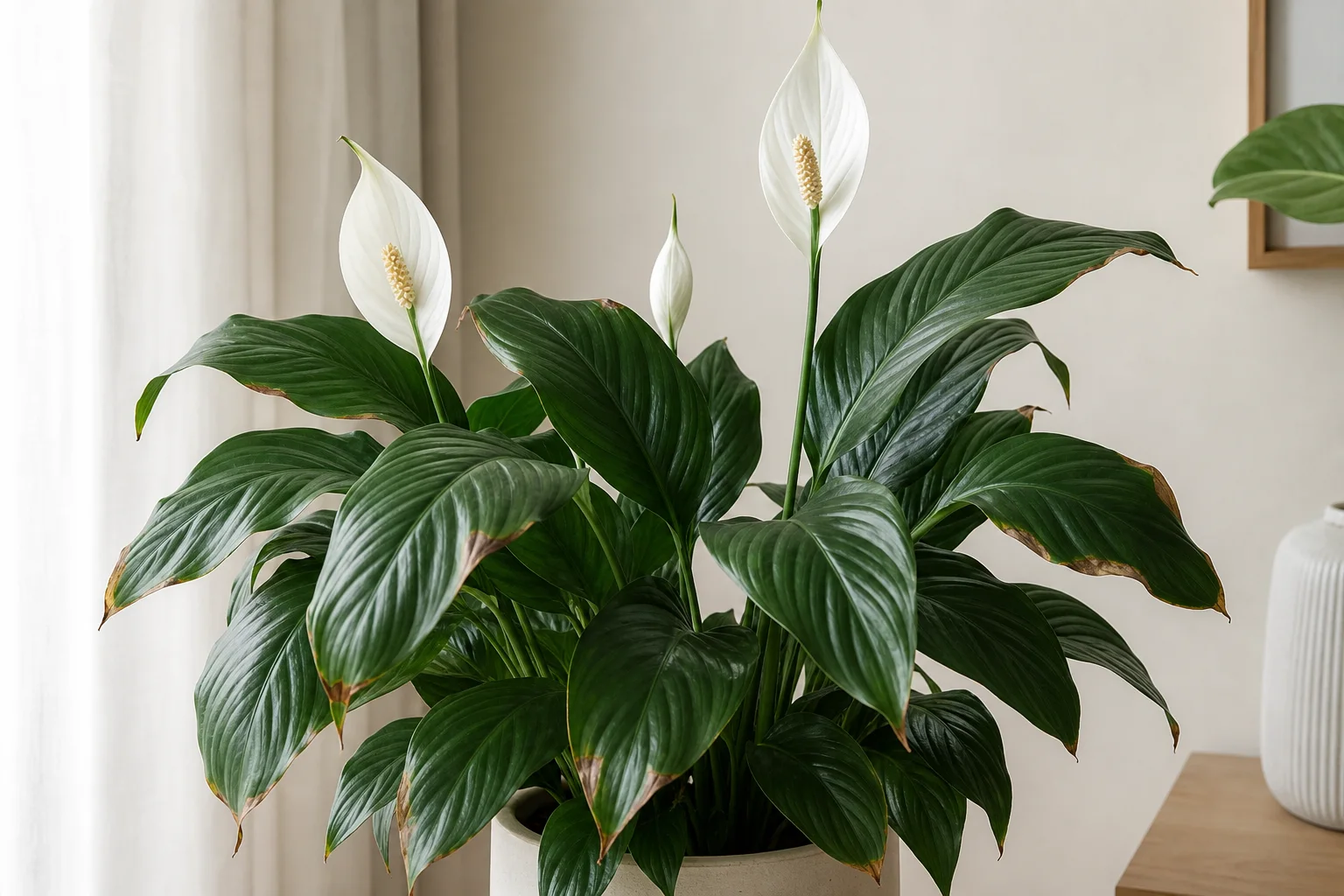
A peace lily may remain healthy and leafy without flowering when light is insufficient, the plant is immature, or root-zone stress is limiting growth. Use the plant’s leaves, roots, recent history, and growing conditions to choose the right correction.
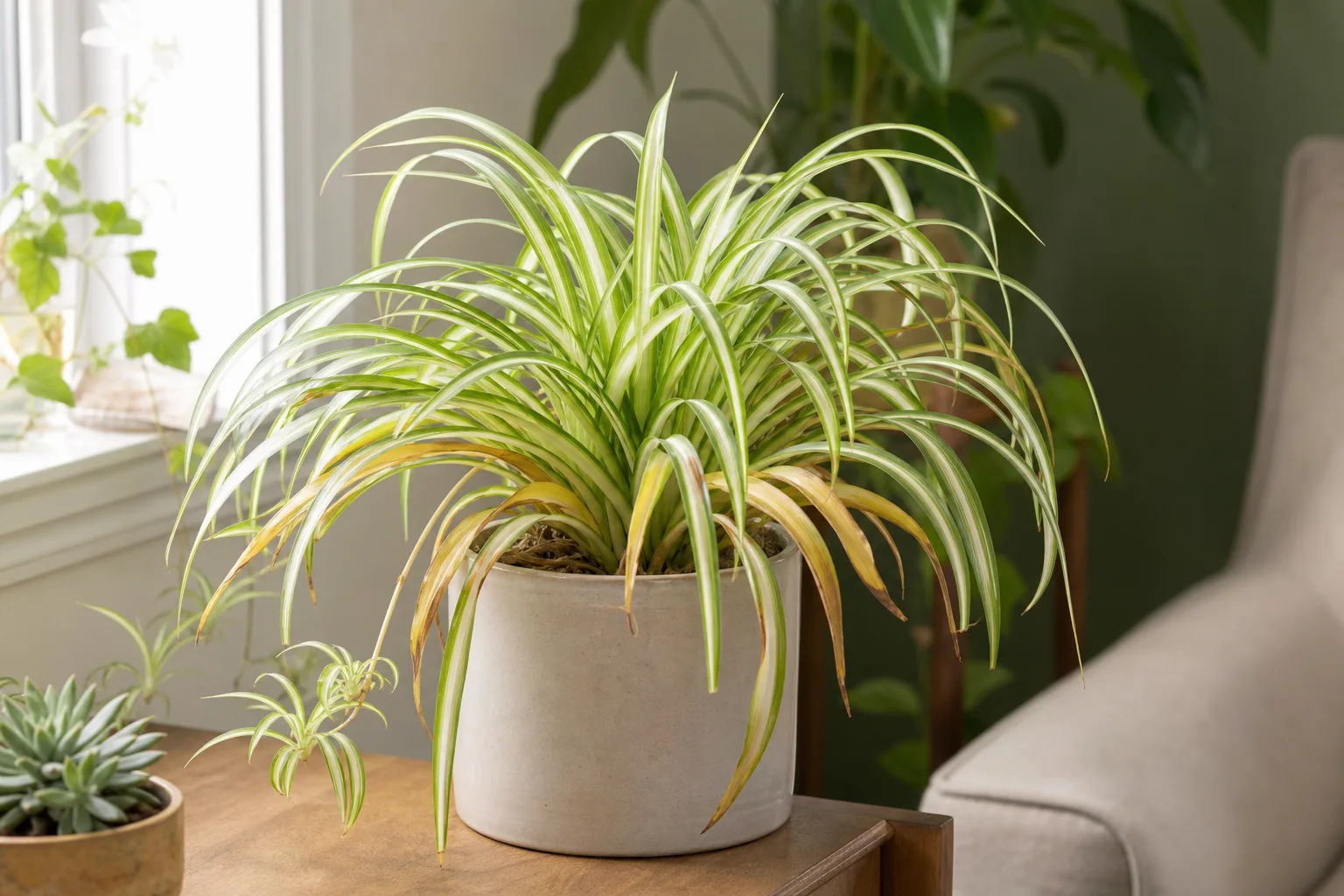
Yellow spider plant leaves can point to wet roots, dry soil, unsuitable light, salt buildup, pests, or normal aging. Diagnose the pattern before changing care.
An unlabeled houseplant cannot be checked reliably by appearance or common name alone. Use this identification-to-verification workflow to reach a more dependable cat-safety decision.
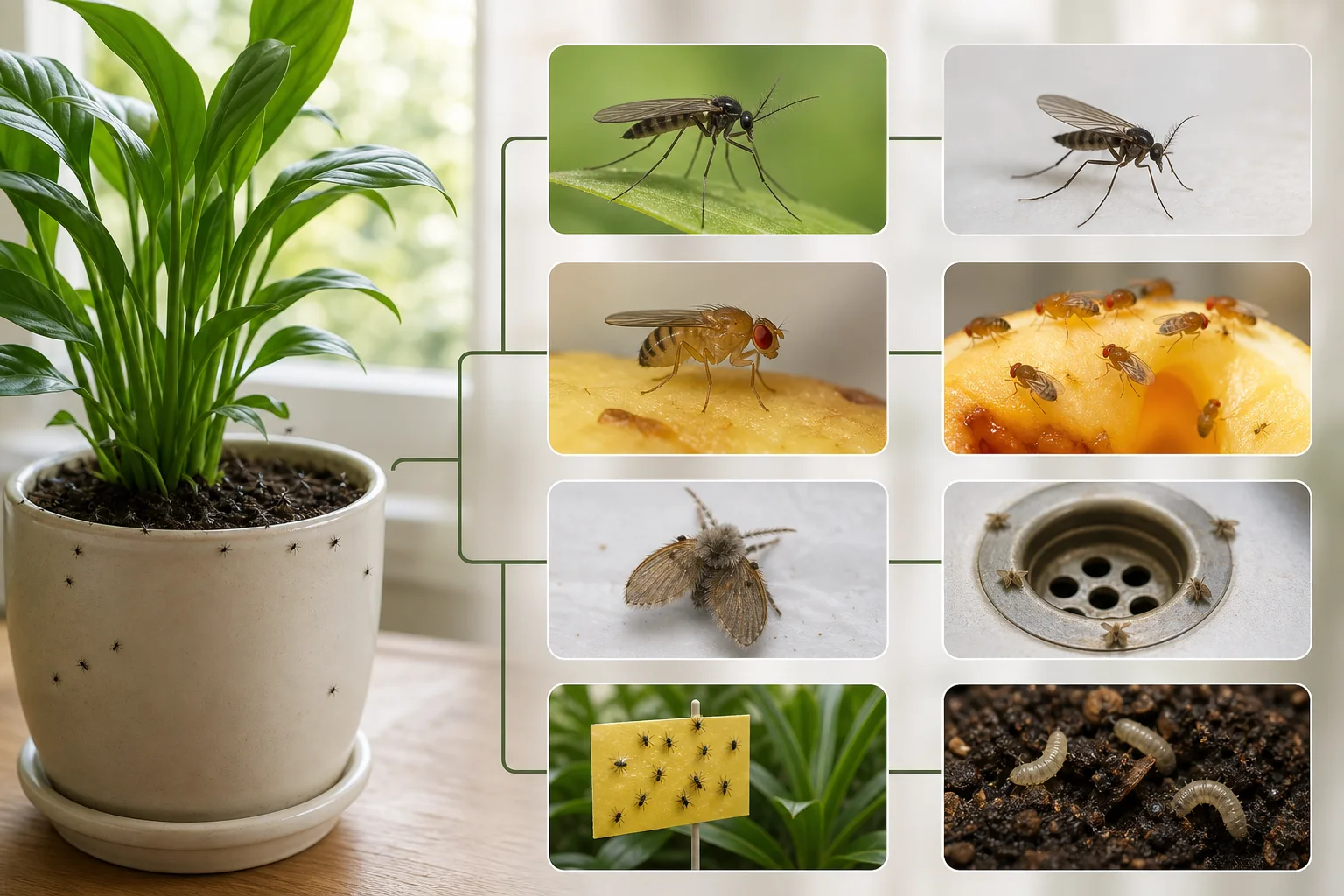
Tiny flies around a pot are not automatically fungus gnats. Confirm where the flies gather, check a soil-level sticky trap, assess how long the mix stays wet, and address both the flying adults and the developing larvae.
Skip brand rankings and build a grow-light setup around the plant, room, fixture footprint, mounting height, timer, and visible response.
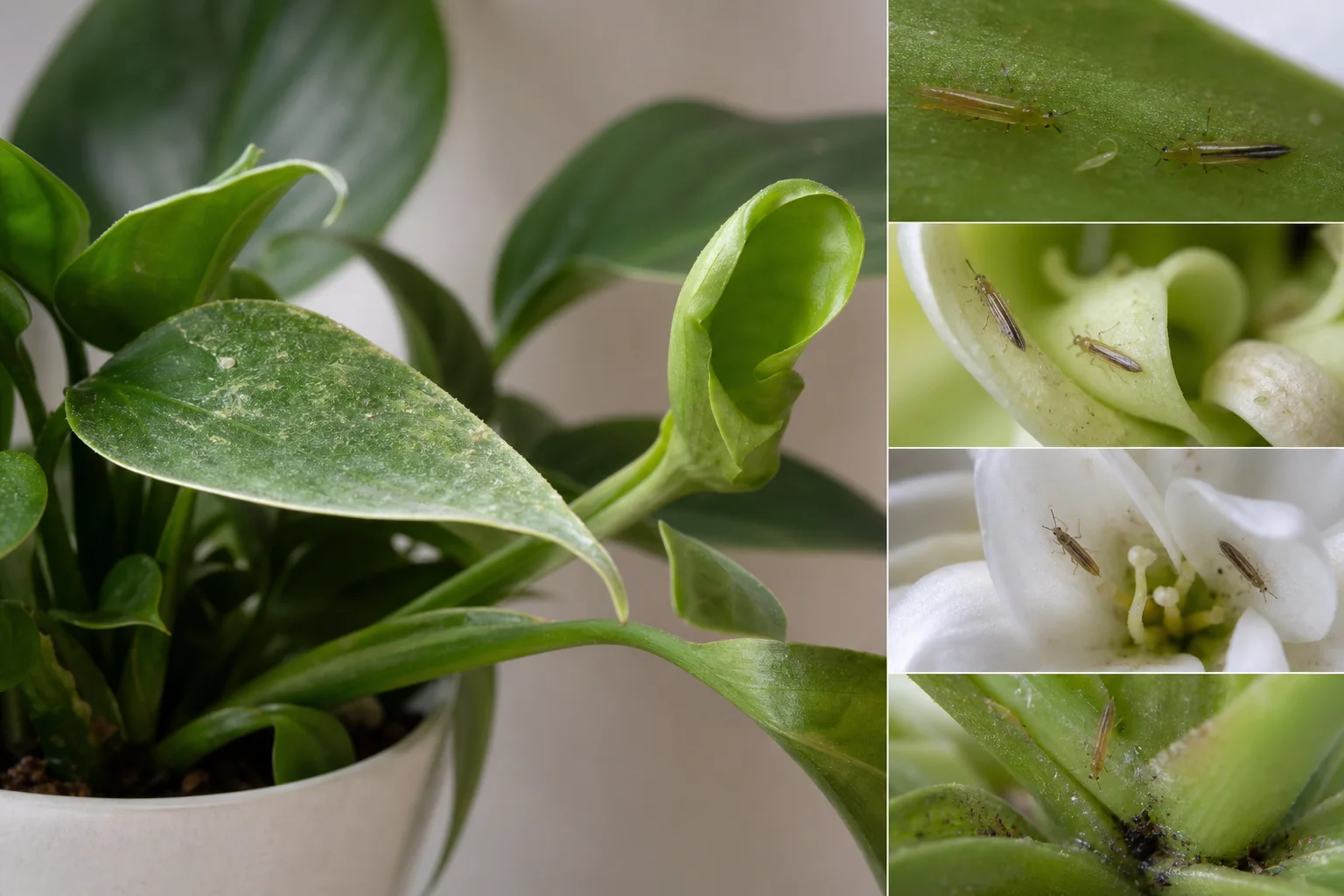
A practical, life-stage-aware plan for identifying thrips, reducing the population, applying an appropriately labeled product, and checking progress after two weeks.
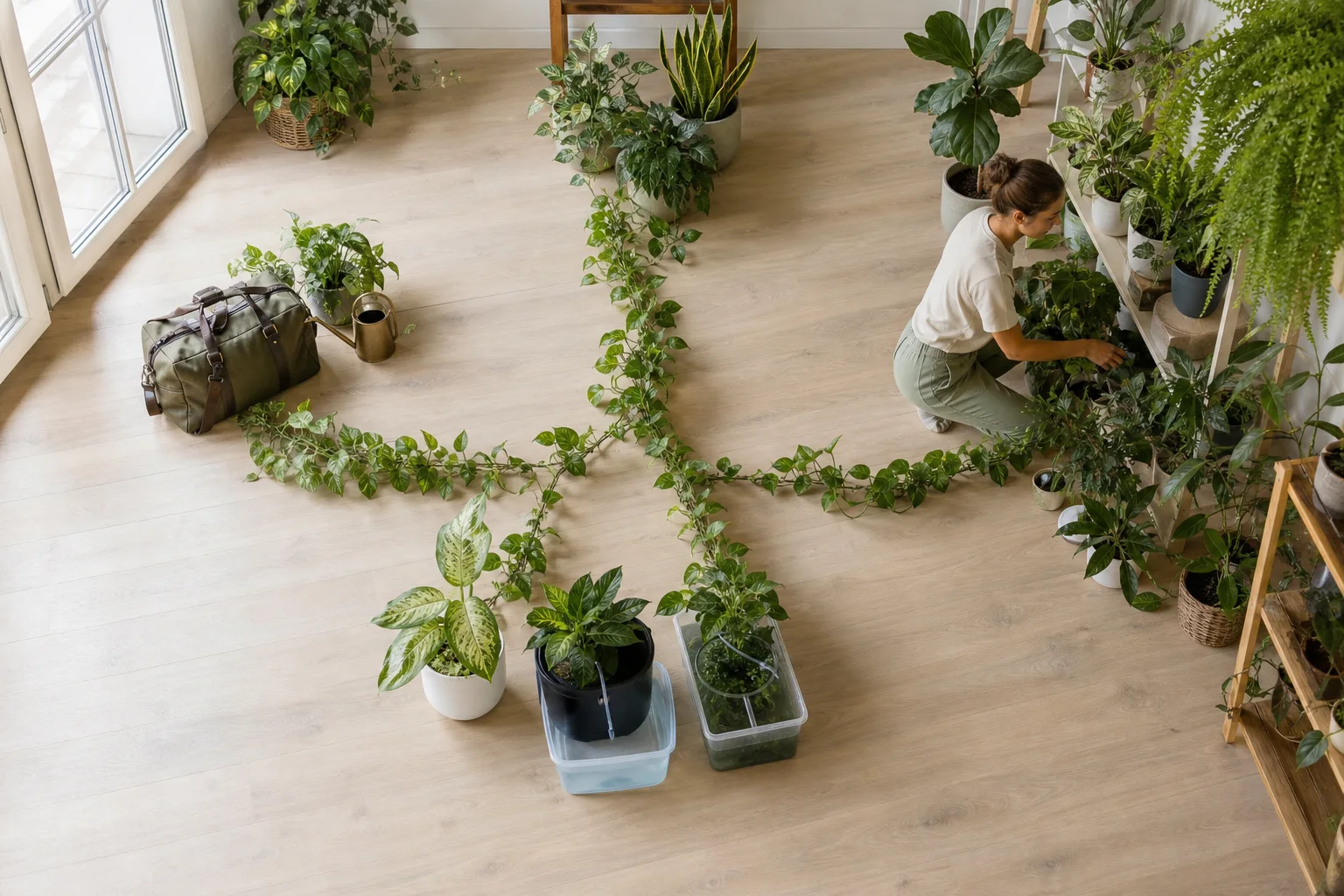
Sort your houseplants by thirst and trip length, choose an appropriate vacation watering method, and test the entire setup before you depend on it.
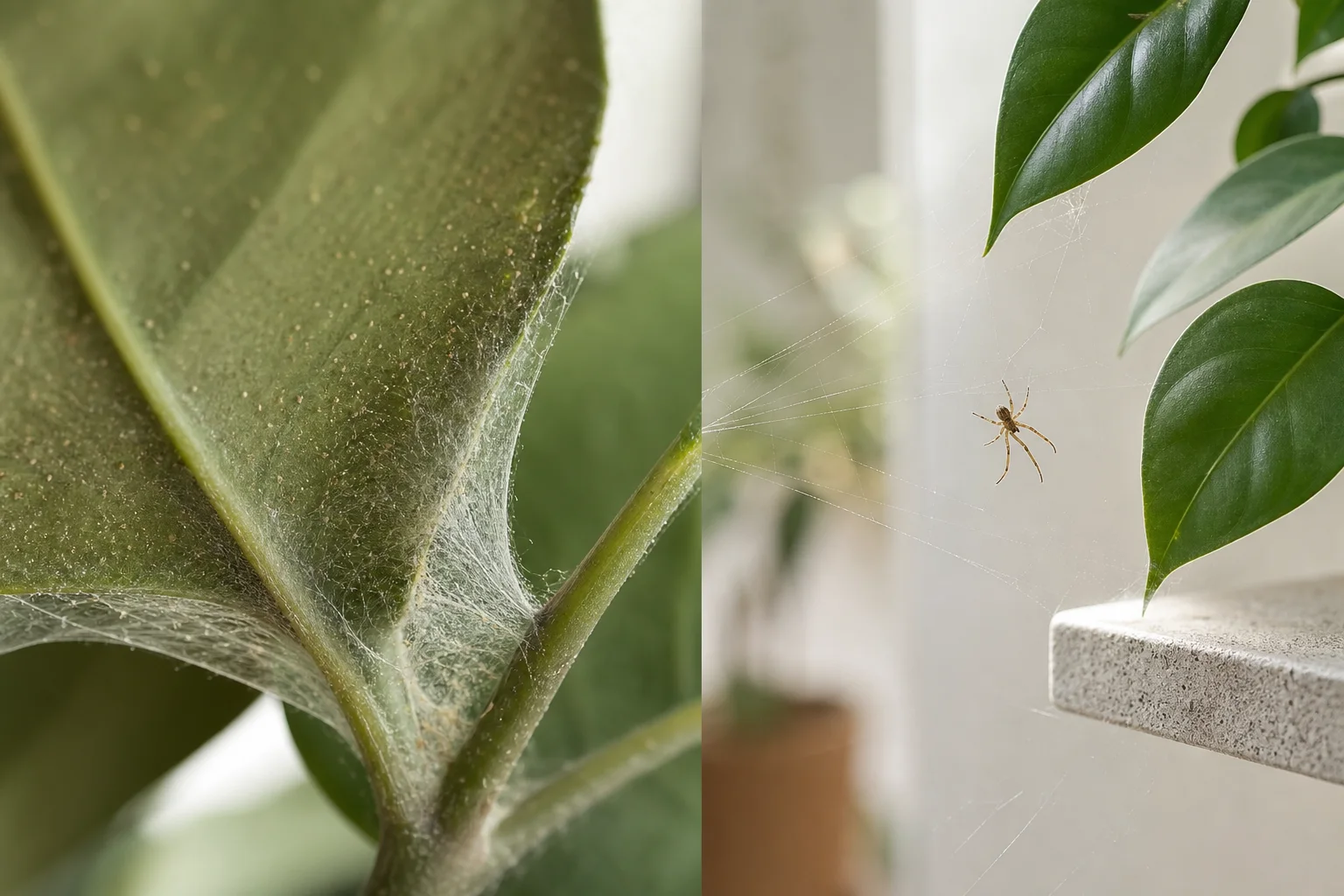
Webbing alone does not confirm spider mites. Use this evidence ladder to compare the web, inspect leaf damage, look beneath the leaves, and perform a white-paper shake test before treating your houseplant.
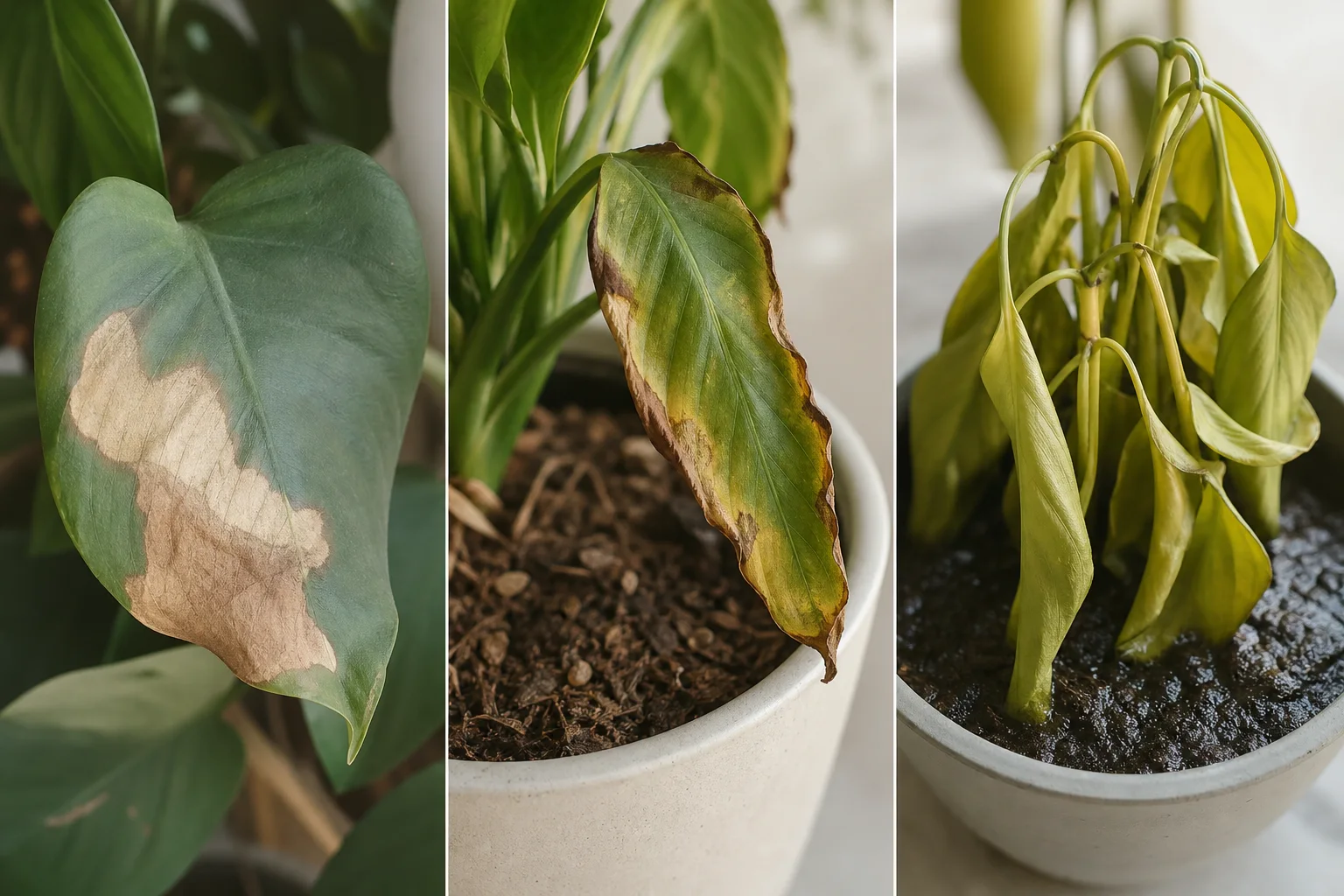
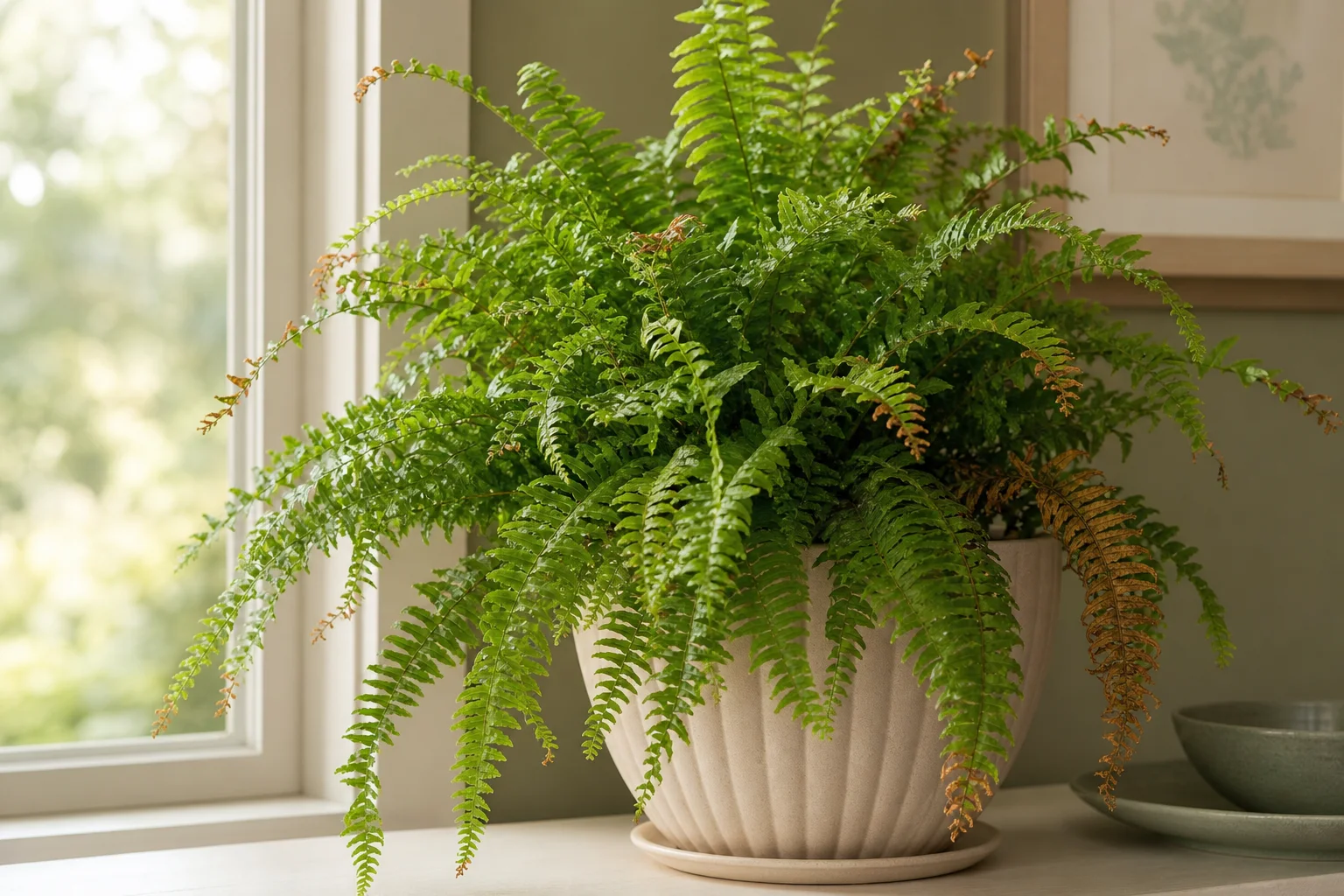
Bleached patches, crispy margins, and limp leaves can call for three different responses. Check the damage pattern, recent light exposure, and potting mix before watering or repotting.
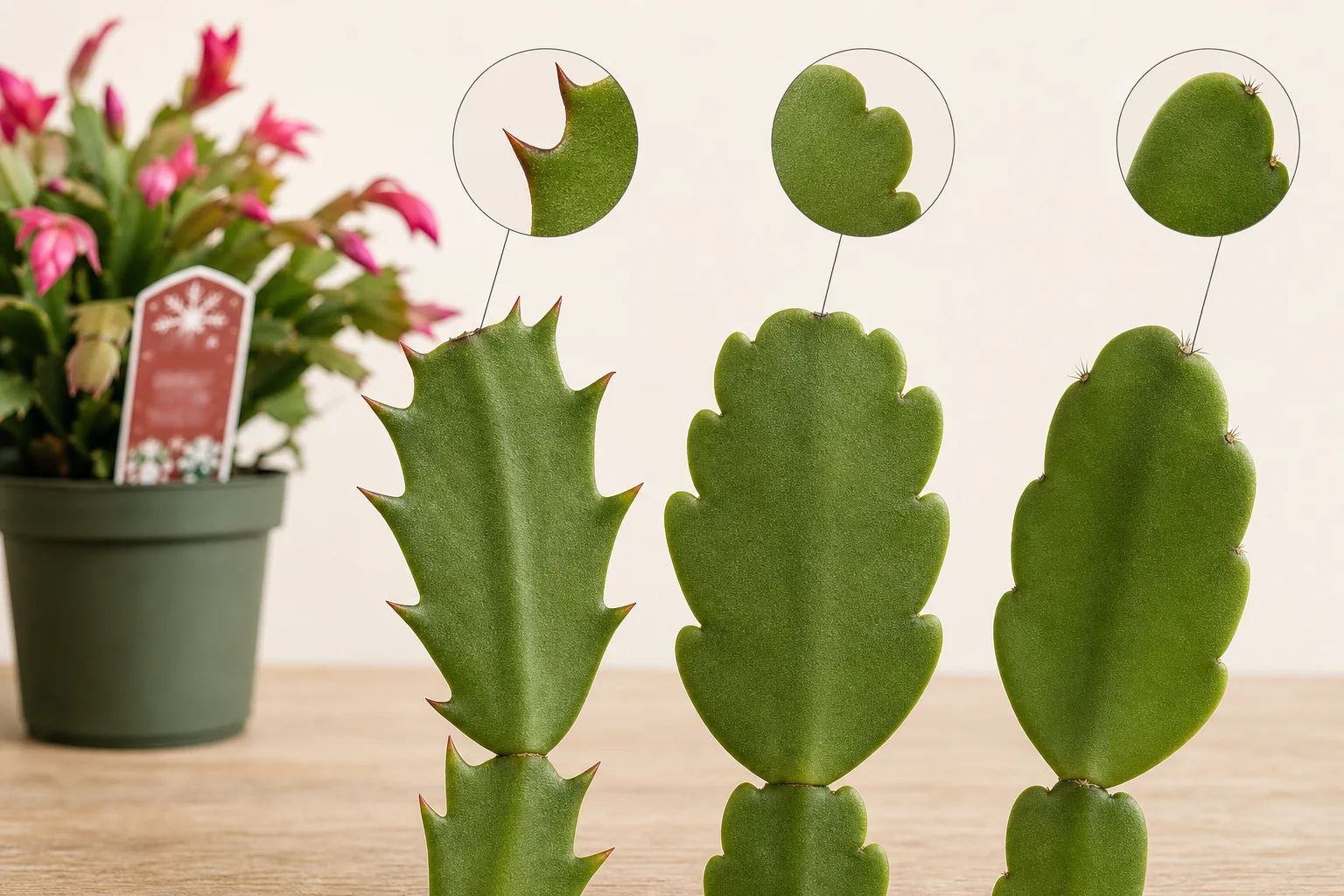
To compare Thanksgiving cactus vs. Christmas cactus, inspect several mature stem segments before considering bloom time. Pointed, claw-like projections suggest Thanksgiving cactus; rounded scallops suggest Christmas cactus; very rounded segments with bristles may point toward Easter cactus.
Sort your plants by how quickly their soil dries, match them with a sitter or tested passive watering system, and leave instructions that prevent both drought and waterlogging.
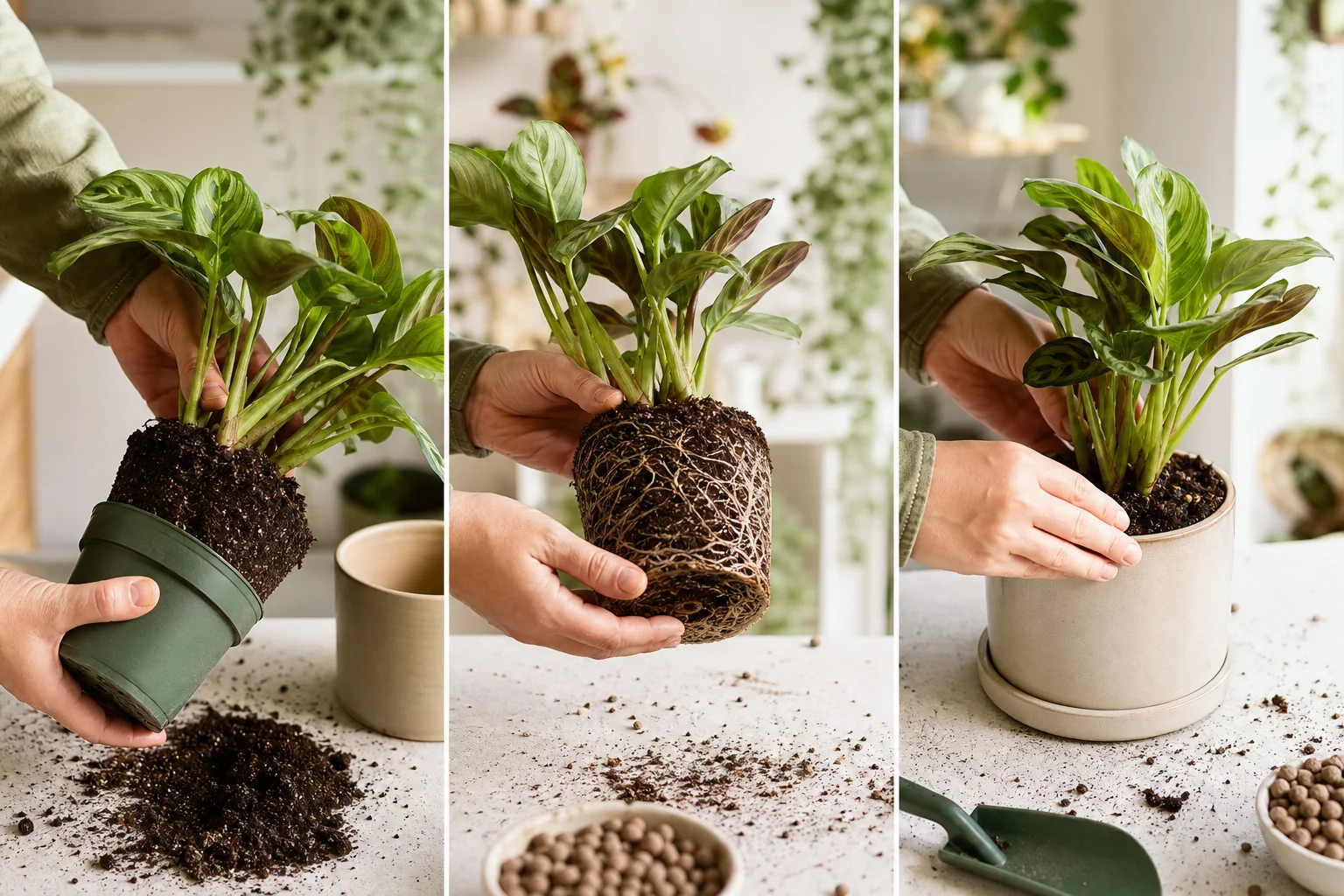
Visible roots or fast-drying soil can justify an inspection, but they do not prove that a houseplant needs a larger container. Use this guide to choose among more root space, fresh mix in the same pot, or no repotting yet.
Sticky residue on leaves, pots, or furniture is often honeydew from a sap-feeding pest, but the residue alone does not identify which one. Use its location and a close inspection of hidden plant parts to distinguish scale, mealybugs, aphids, and less common alternatives.
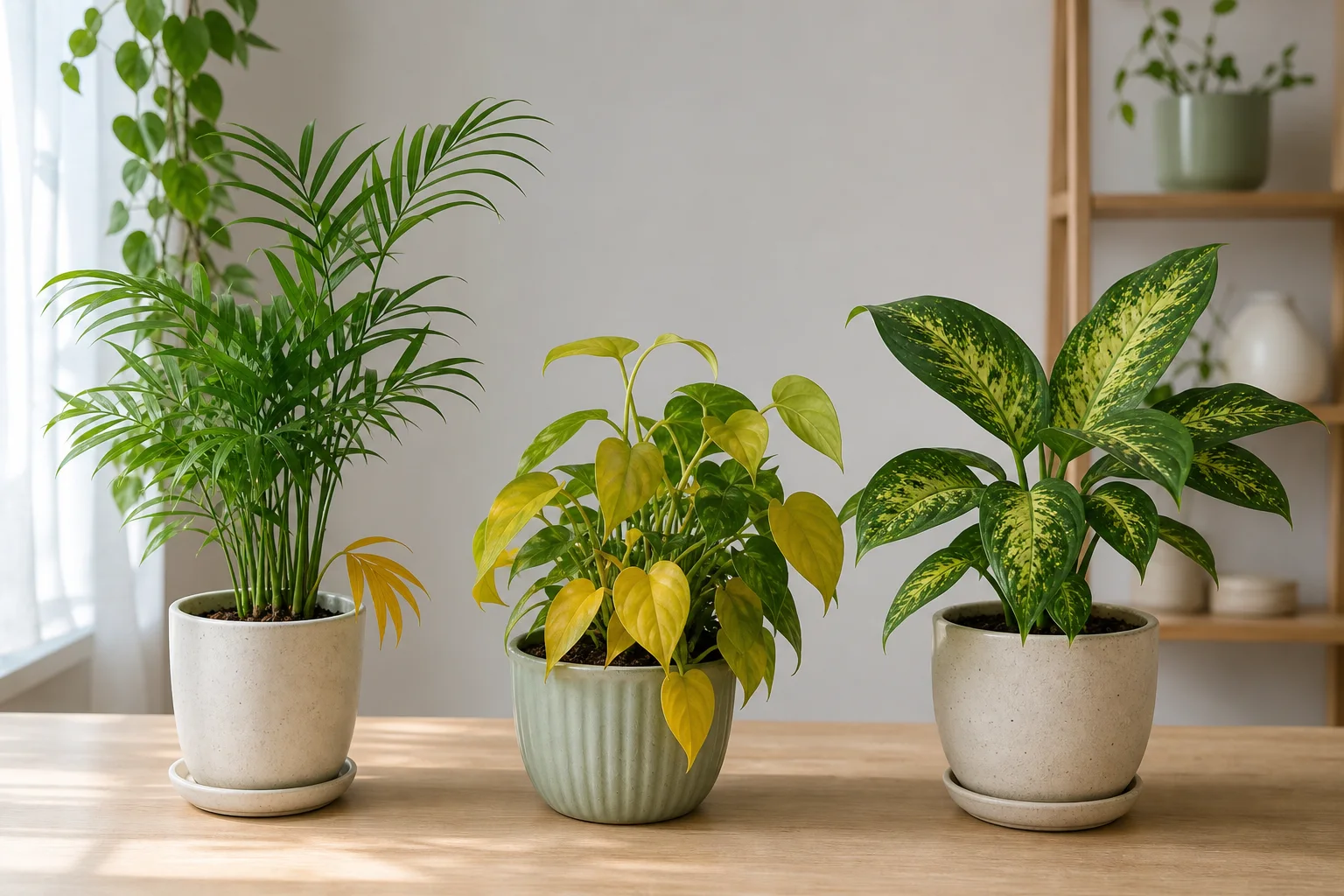
Yellow leaves can signal normal aging, watering trouble, poor drainage, unsuitable light, pests, or damaged roots. Follow this visual decision tree before changing your plant’s care.
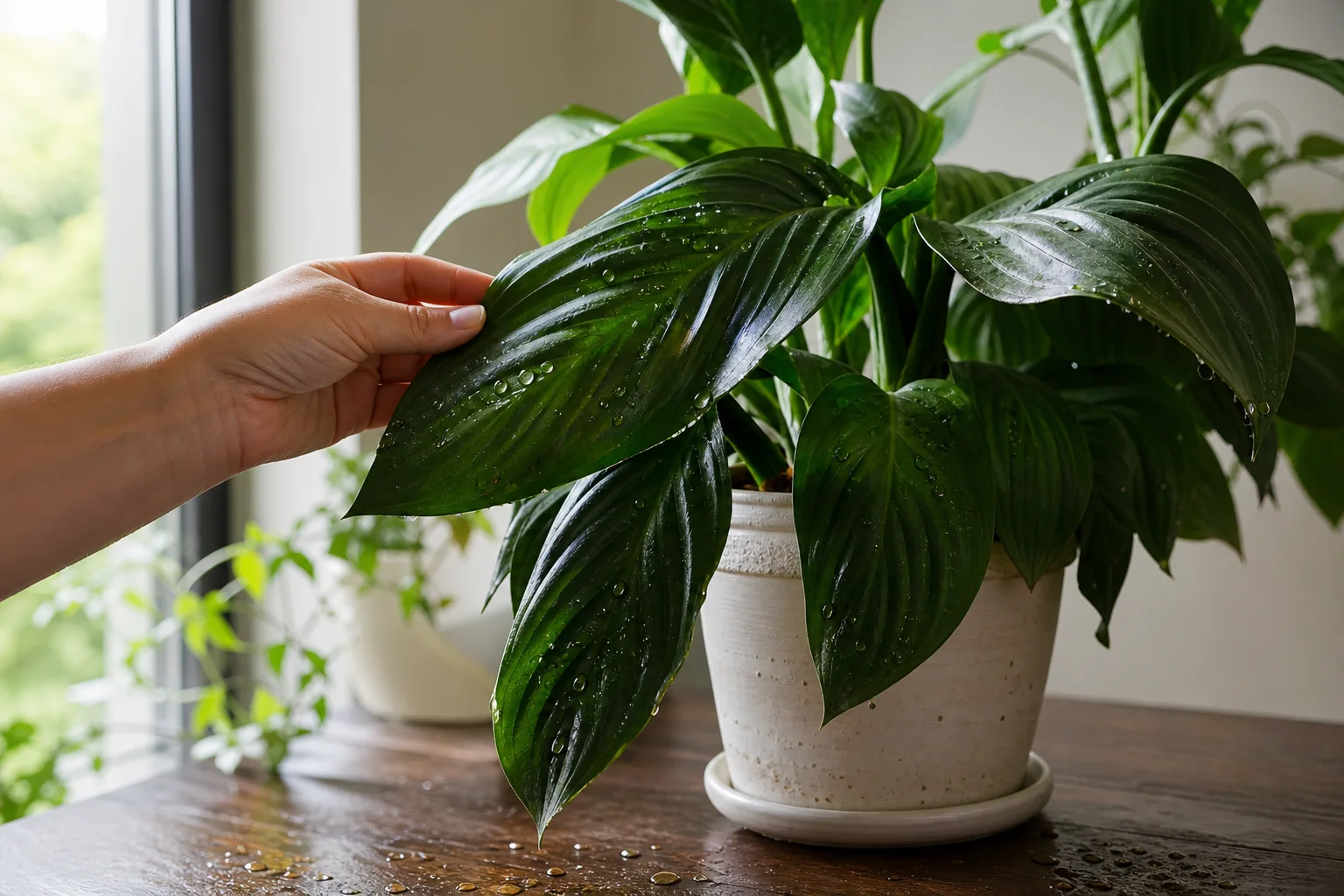
Brown peace lily leaves commonly point to inconsistent watering, dry air, direct sun, excess fertilizer salts, or stressed roots. The shape and location of the damage can help you decide what to check first.
A yellow peace lily leaf is a symptom, not a diagnosis. Check which leaves are changing, how the potting mix feels, whether water can drain, and whether the plant has recently experienced stronger light, cold, fertilizer, or pests.
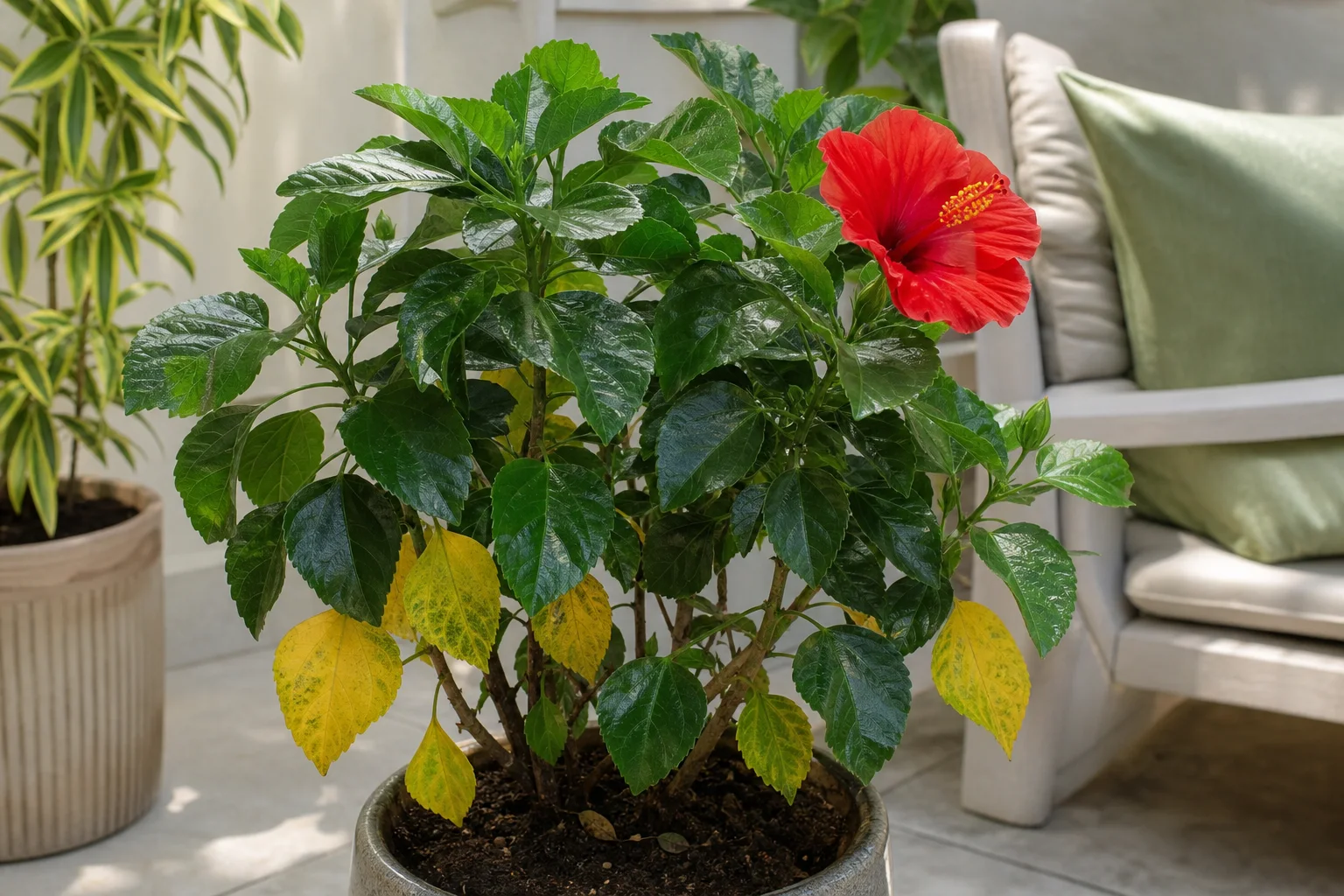
Yellow hibiscus leaves commonly point to a watering problem, environmental change, root stress, nutrient issue, or sap-feeding pest. The location and texture of the affected leaves can help you decide what to check first.
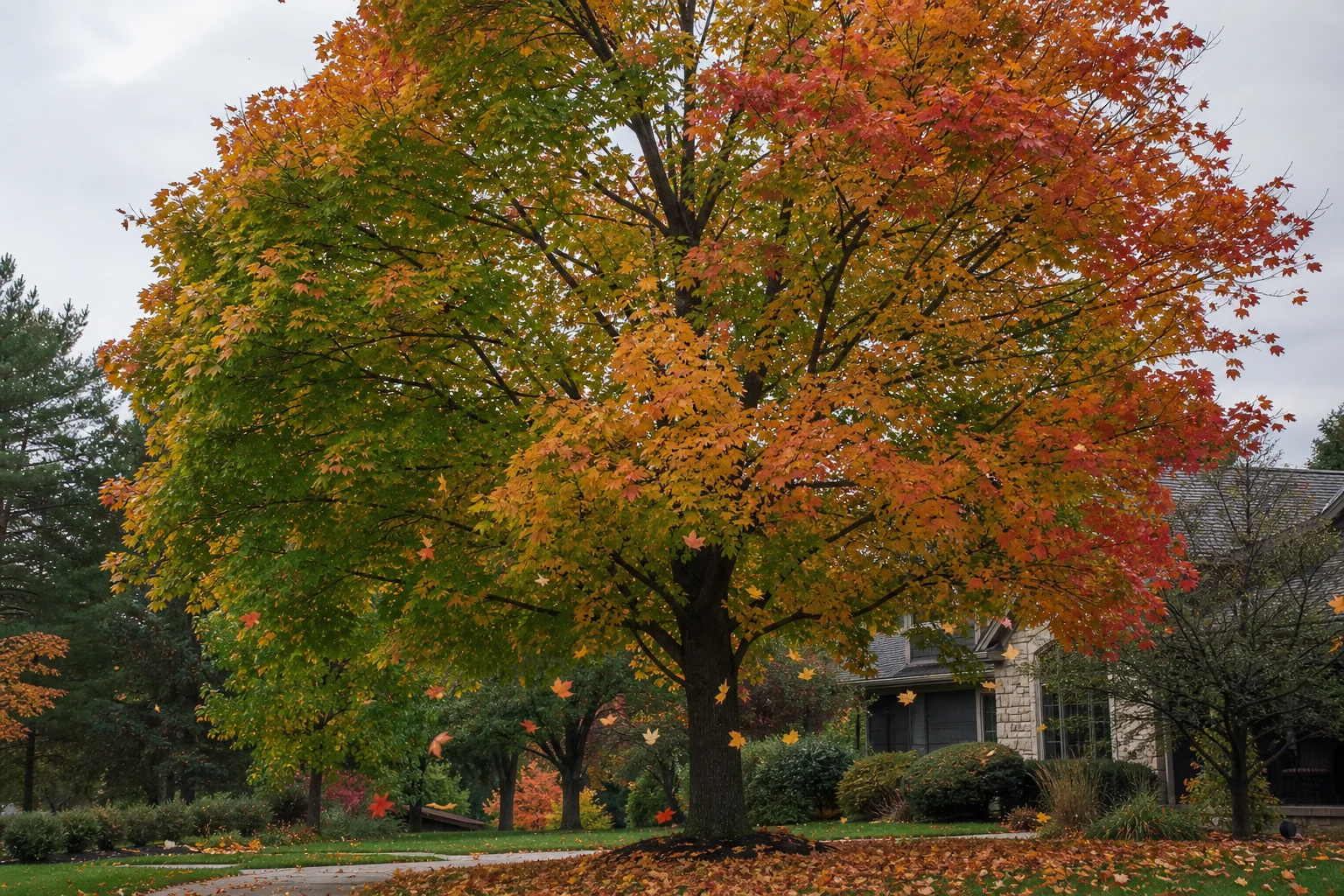
Seasonal leaf drop helps many trees conserve resources through cold or dry periods. Leaves falling at an unusual time, however, may point to water stress, damaged roots, disease, pests, or another environmental problem.
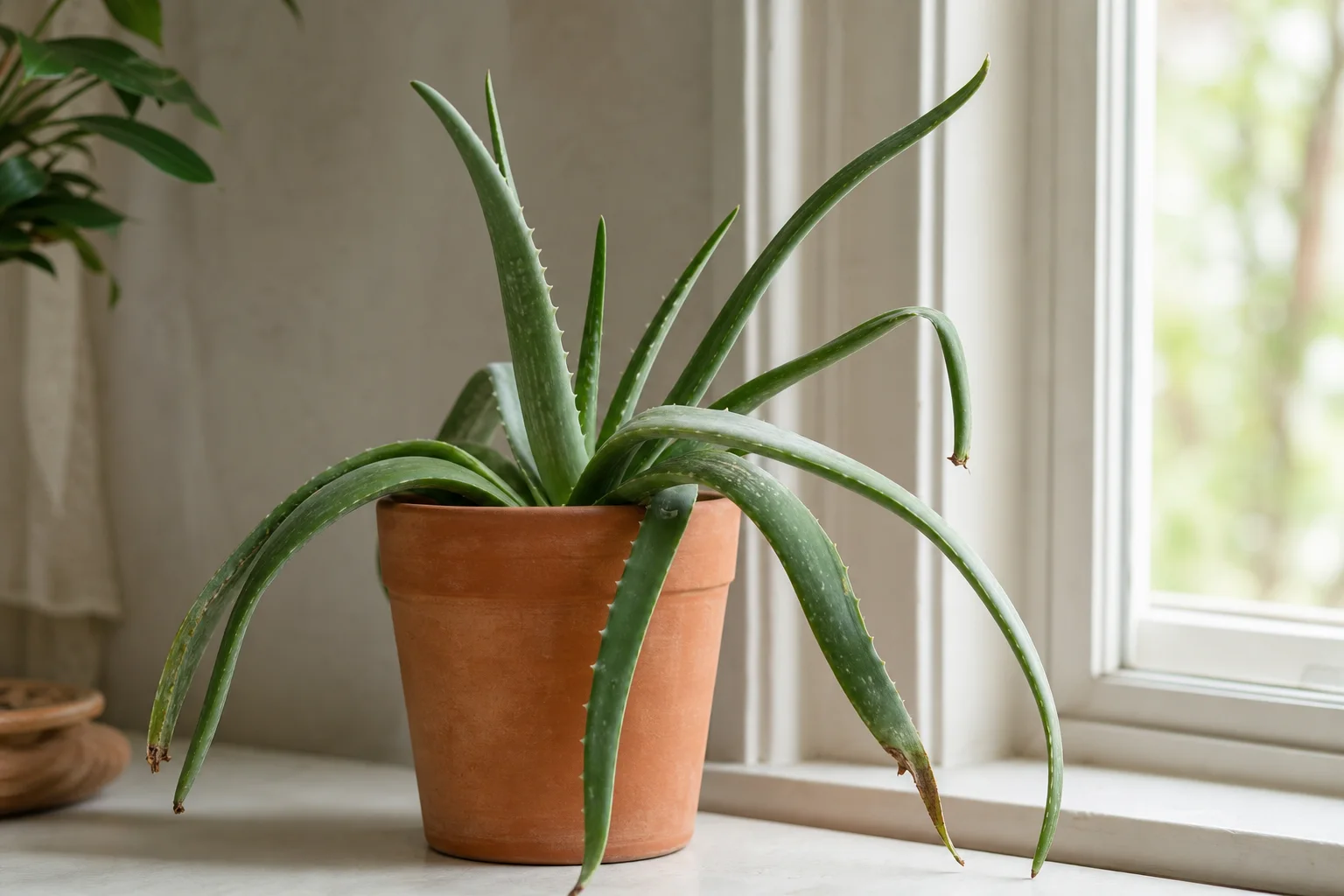
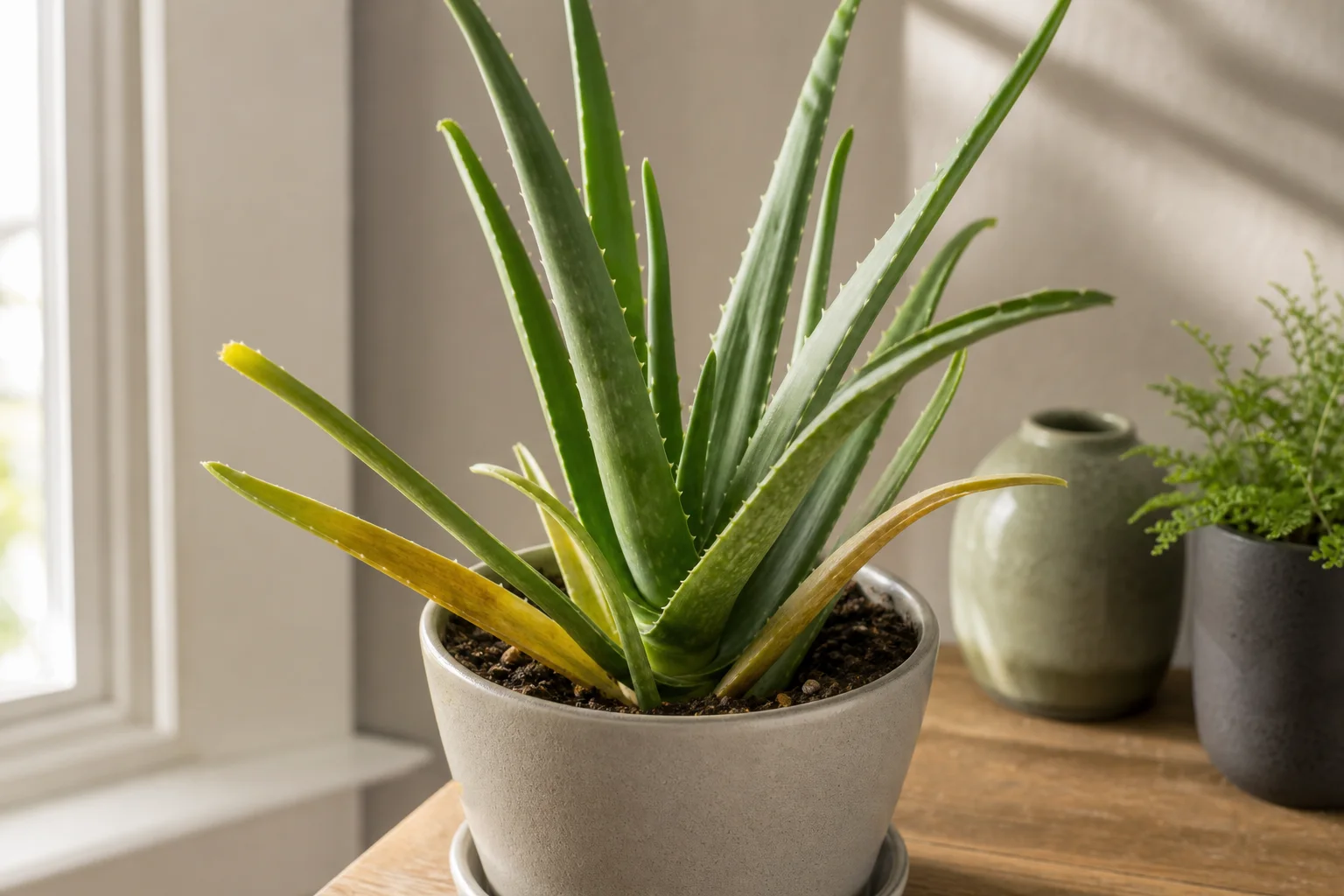
Drooping aloe leaves can result from excess moisture, prolonged dryness, weak light, temperature stress, damaged roots, pests, or simple top-heaviness. The pattern of symptoms matters more than the droop alone.
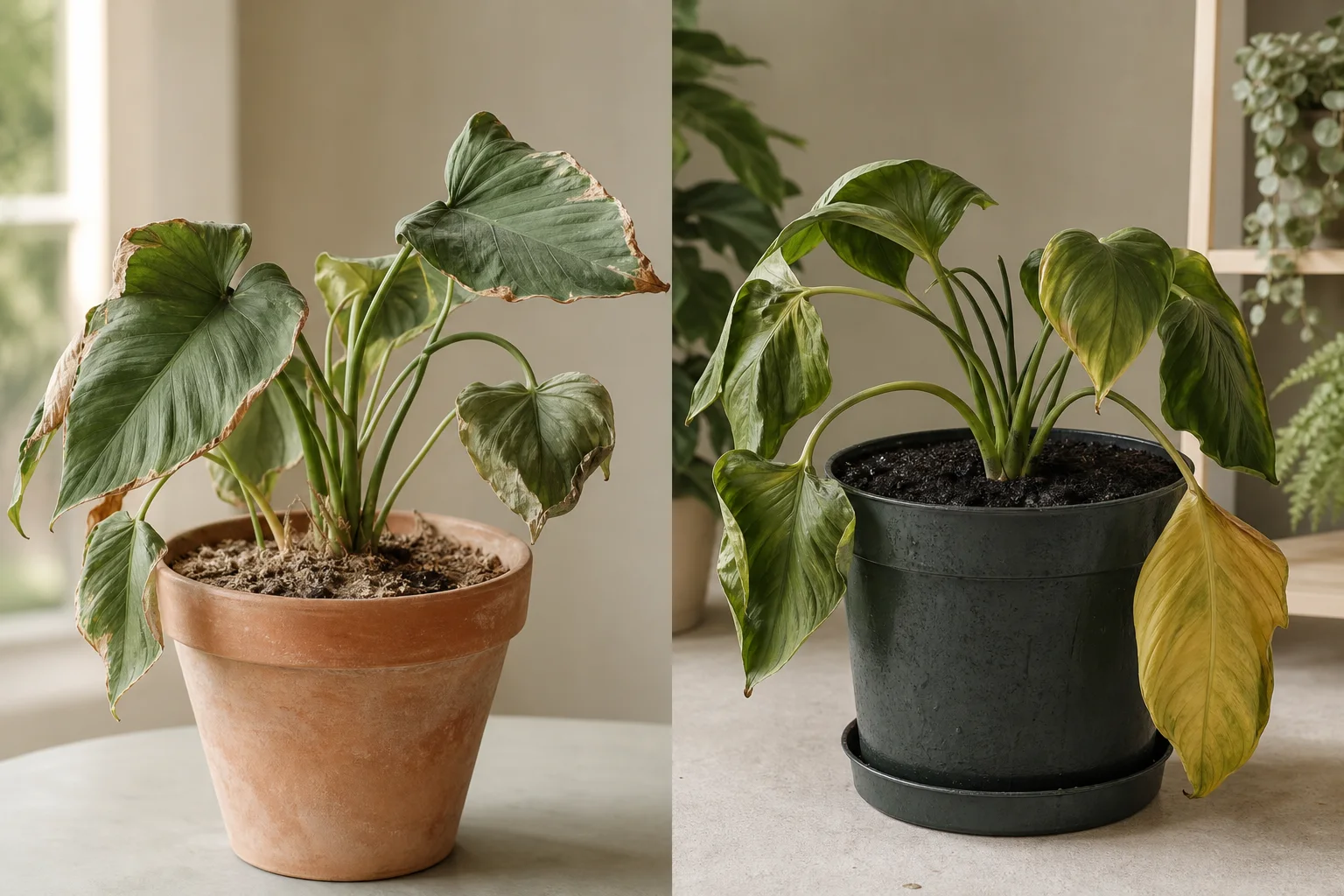
Soft yellow leaves and damp soil suggest excess moisture, while thin, puckered leaves and very dry soil point toward drought. Check the leaf texture, roots, light, and recent care changes before choosing a remedy.
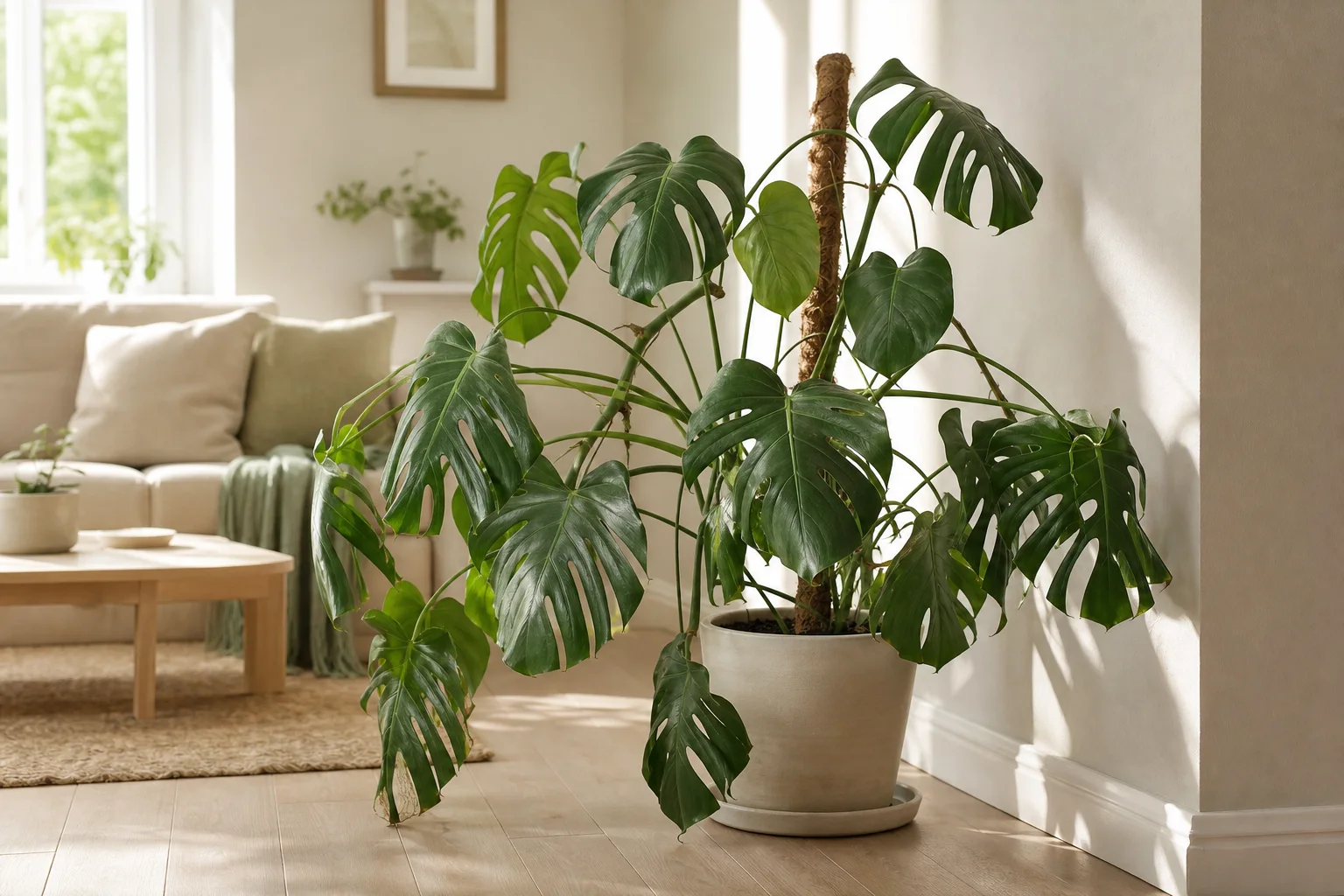
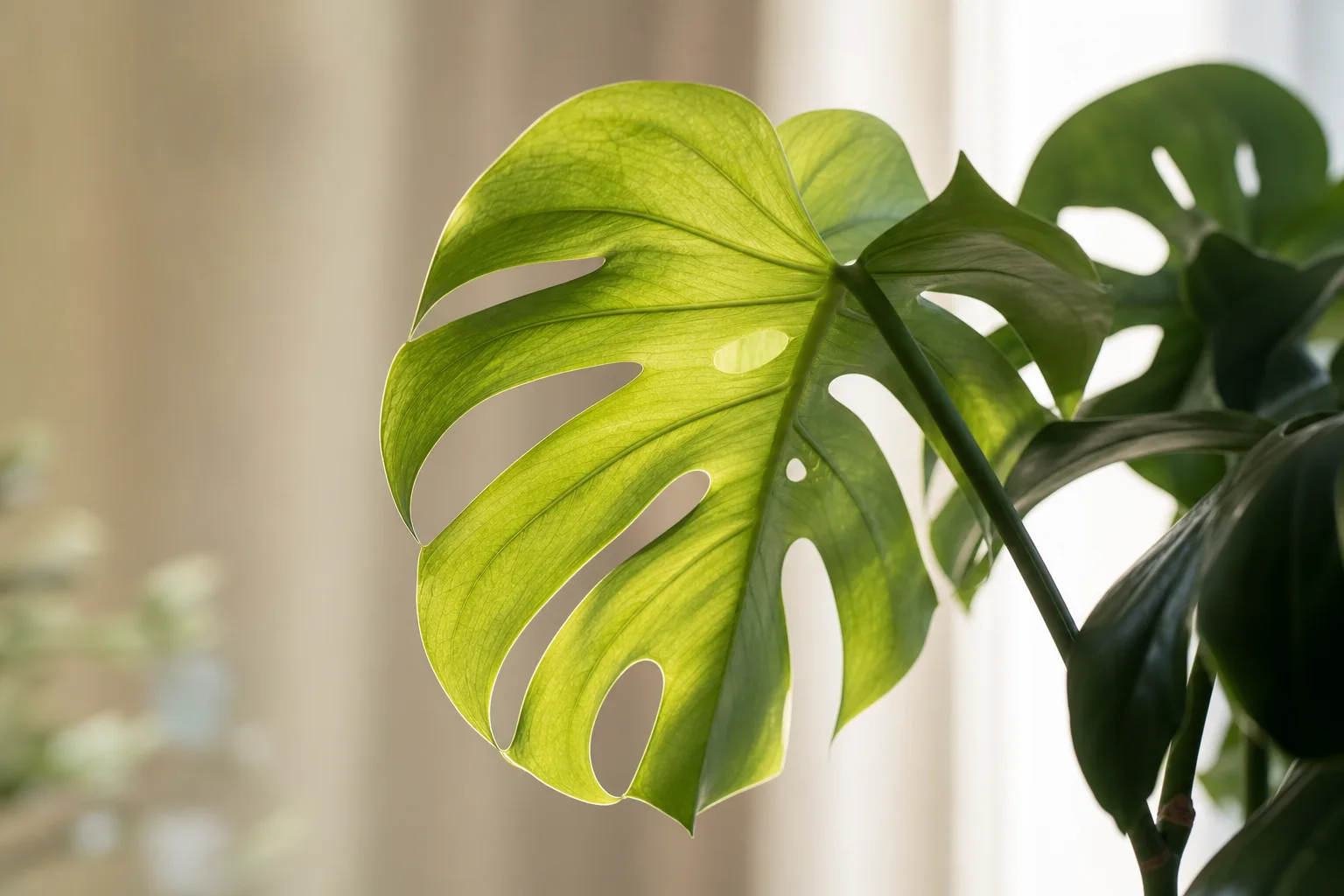
Drooping Monstera leaves can result from dry soil, waterlogged roots, environmental stress, pests, or a climbing stem that needs support. Diagnose the pattern before reaching for the watering can.
Drooping is a symptom, not a diagnosis. Use soil moisture, leaf texture, root condition, and recent changes to identify the likely cause before watering or repotting.
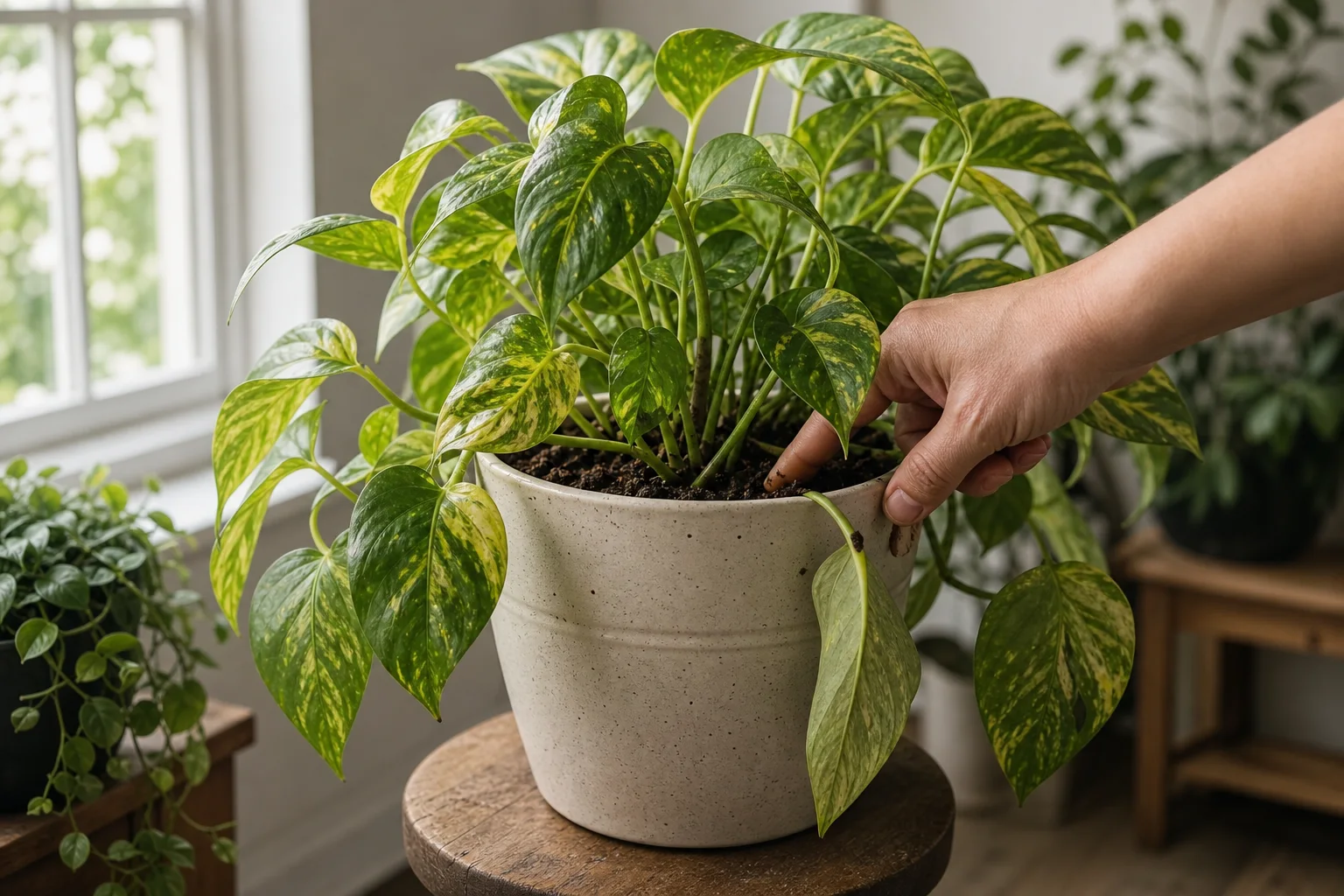
A drooping pothos may be thirsty, but wet roots, a crowded pot, temperature stress, or pests can produce a similar symptom. Check the potting mix and roots before choosing a response.
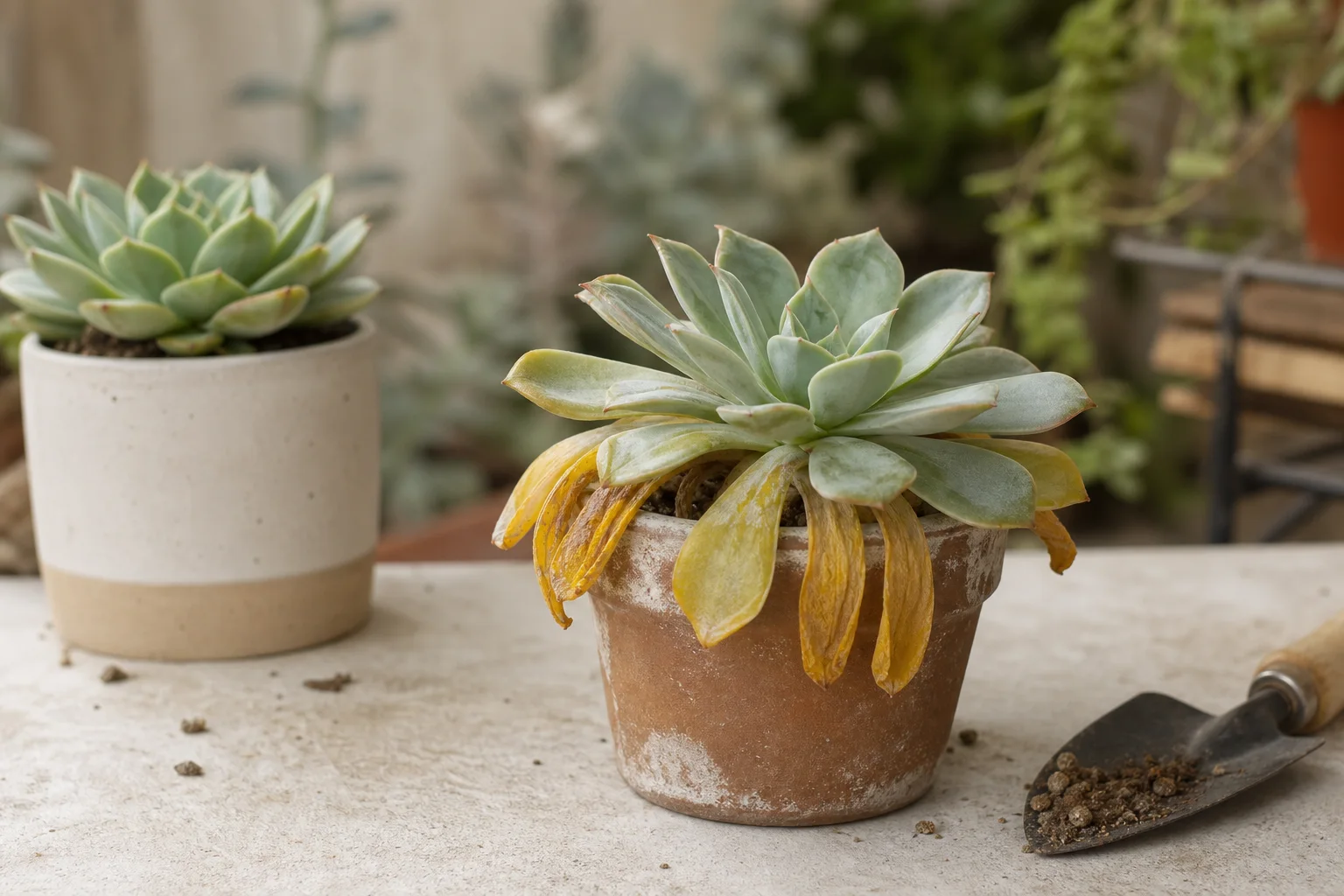
Mushy leaves, shriveled tissue, stretching, discoloration, and sudden leaf drop point to different succulent problems. Use this symptom-led guide to narrow down the cause before changing your plant's care.
Most leaves look green because chlorophyll absorbs red and blue wavelengths more strongly while more green light is reflected, scattered, or transmitted toward our eyes. A quick daylight check can help you distinguish normal leaf colour from a developing plant problem.
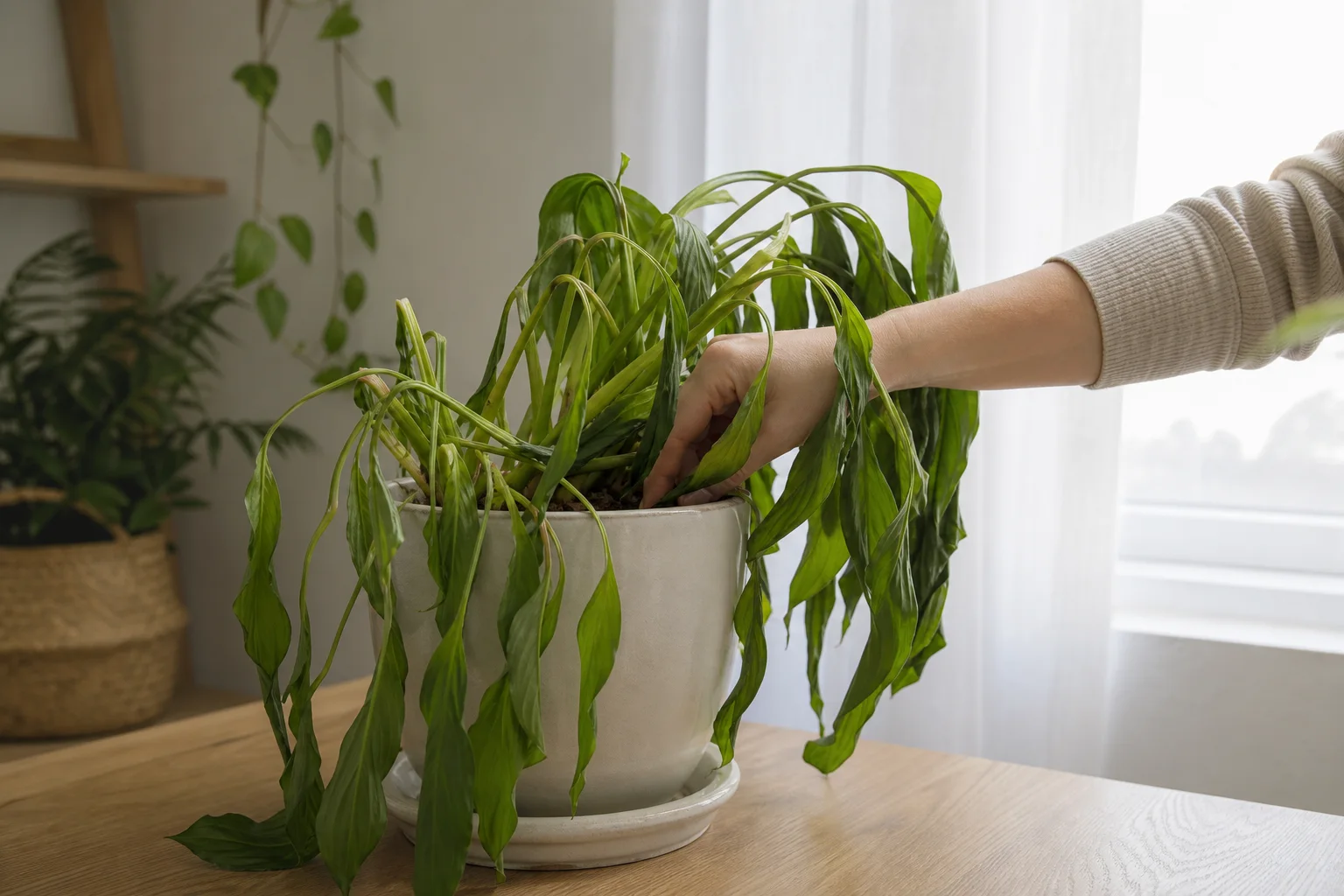
A wilted houseplant may have dry roots—or wet, oxygen-starved roots that cannot take up water. Use this before-you-water checklist to distinguish the two and choose a safer first action.
No guides match that search yet.